
What Are Vaginal Dilators?
Let's talk about vaginal dilators.
Whenever I set up at a marketing event, I always have vaginal dilators on display. Women often walk by with a terrified look in their eyes and say something along the lines of, "Oh God, do I need those?" My answer is always the same: "It depends!"
While they may look intimidating, dilators can be an incredibly helpful tool for some women.
What Are Vaginal Dilators Used For?
Dilators are commonly used when treating a condition called vaginismus. Vaginismus is an involuntary contraction of the pelvic floor muscles surrounding the vagina in response to penetration. This can occur with tampon insertion, pelvic exams, penetrative intercourse, or any form of vaginal penetration.
These muscle contractions can make penetration difficult, painful, or even impossible. Many women describe the sensation as:
"Hitting a wall"
"Feeling like I don't have an opening"
"Ripping" or "tearing" at the bottom of the vagina
Vaginismus is often associated with fear, anxiety, nervousness, hesitation, or a history of trauma, but it can also occur without a clear cause.
How Do Dilators Work?
Dilators are medical devices made from either silicone or plastic that are inserted into the vagina to help reduce muscle tension, decrease pain, and retrain the nervous system's response to penetration.
Personally, I prefer silicone dilators (my favorites are VWELL and Intimate Rose). Silicone tends to be softer and more comfortable, while plastic dilators can sometimes feel rigid or uncomfortable and who needs more discomfort?!
Dilators come in a range of widths and lengths. In fact, VWELL offers one of the smallest dilators available, while Intimate Rose offers some of the largest.
One of the biggest misconceptions about dilators is that their purpose is to stretch the vagina or make the vaginal opening larger. In reality, the goal is much different.
Dilators provide gradual, controlled input to the pelvic floor muscles and nervous system. They help teach your body that penetration is safe and non-threatening. Over time, this can help reduce the protective muscle guarding and nervous system response that contributes to pain.
Think of it as having a conversation with your body:
"I am safe."
"This is not harmful."
"My muscles can relax."
As your body begins to trust the experience, the cycle of tension and pain can start to break.
How to Use a Vaginal Dilator
Start by finding a position that feels comfortable and allows your body to relax. Many women prefer:
Standing in the shower with one foot elevated (the "Captain Morgan" position)
Reclining in bed with the knees bent and legs relaxed outward
There is no right or wrong position…choose what feels best for you.
Apply a generous amount of water-based lubricant to the entire dilator. You want to avoid any dry silicone touching the skin, as this can increase friction and discomfort.
Next, place the dilator (the size recommended for you) at the vaginal opening.
If this alone feels uncomfortable, simply let it rest there while you focus on breathing, relaxing, and allowing your body to settle. As the tension decreases, slowly begin to insert the dilator.
Continue progressing gradually, only moving forward when you feel comfortable. If you cannot insert the entire dilator, that's okay. Work within the range that feels manageable for your body.
Once the dilator can be inserted with little to no discomfort, try taking your hand away. If the dilator begins to slide out, it may be a sign that the pelvic floor muscles are still guarding or tightening around it.
As you become more comfortable, you can add gentle movement by:
Slowly rotating the dilator side to side
Gently moving it in and out
Practicing small controlled motions
After all, penetration isn't stationary. These movements help your muscles learn to remain relaxed during different types of motion.
Over time, you'll gradually work your way through the dilator sizes until you reach your individual goal.
Should You Use Dilators on Your Own?
I always recommend using dilators under the guidance of a pelvic floor physical therapist whenever possible. A therapist can help determine whether dilators are appropriate for you, ensure you are using them correctly, and provide support throughout the process.
In the clinic, I often perform dilator training with patients during sessions to build confidence, answer questions, and help progress them through the different sizes. Patients are then given a personalized home program to continue their progress between visits.
Most importantly, dilator training is always based on your comfort level. It is never mandatory, and it should never feel forced. However, for the right person, it can be an incredibly valuable tool in the healing process.
We're Here to Help
At SóL Pelvic Wellness Studio, we're here to support you every step of the way. Whether you're dealing with pain, difficulty with penetration, pelvic floor dysfunction, or simply looking for answers, our goal is to help you feel empowered, supported, and confident in your body again.
Healing is possible, and you don't have to navigate it alone.
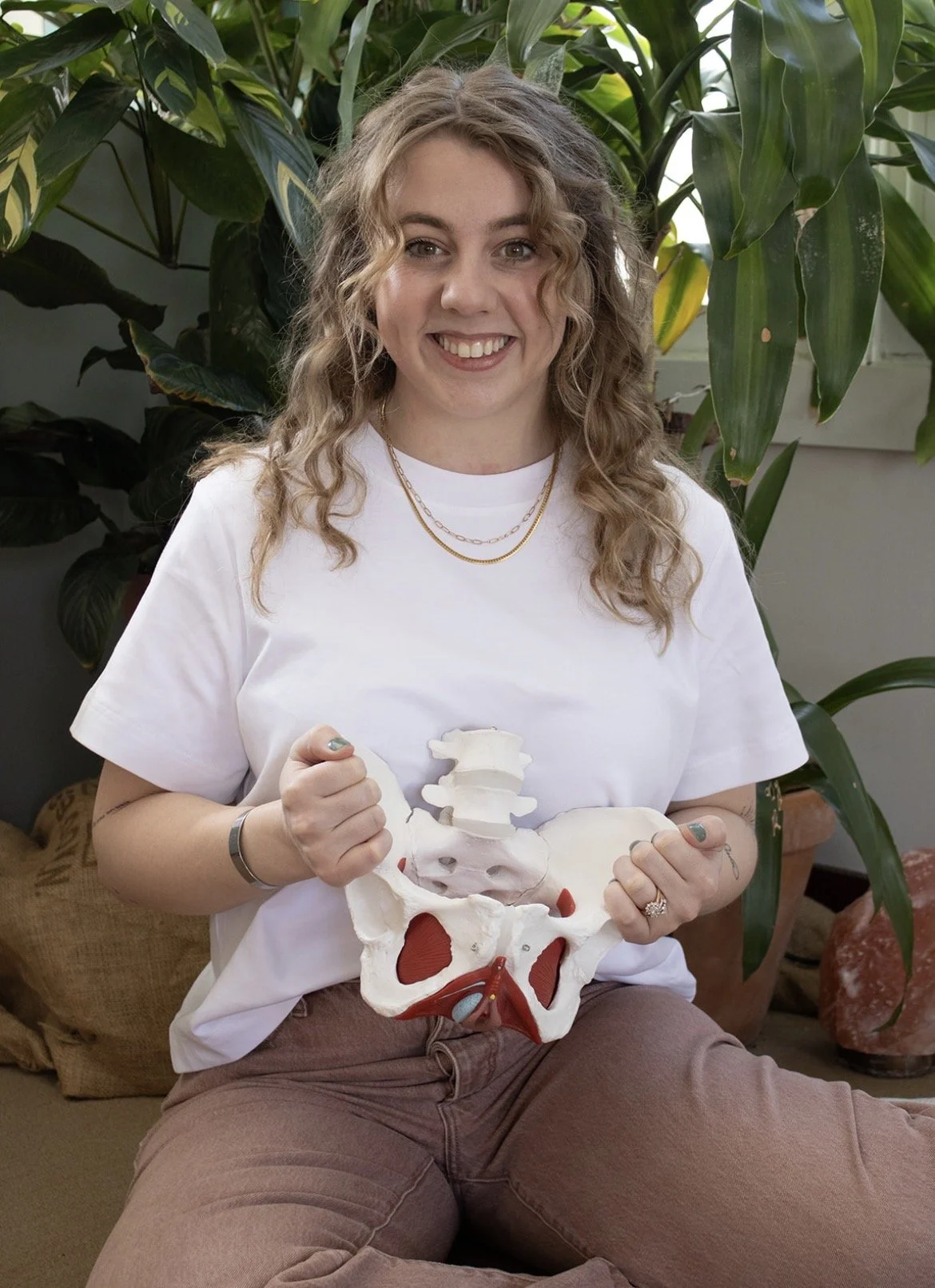
Dr. Kellyn Snow
Owner, Doctor of Physical Therapy, CPPS, Pelvic Health Specialist