Electrolytes: My Favorite Everyday Options
Hydration is one of the most overlooked pieces of pelvic health. Whether you struggle with constipation, bladder urgency, pelvic pain, recurrent UTIs, pregnancy symptoms, or simply feel dehydrated, adequate fluids can support bladder, bowel, and muscle function. Electrolytes ( sodium, potassium, calcium, and magnesium) are minerals that help regulate fluid balance, support nerve signaling and muscle contraction (including the pelvic floor), maintain pH levels, and assist with overall cellular function. You can also get electrolytes through food sources such as fruits, vegetables, dairy, nuts, and naturally salty foods. Imbalances from sweating, illness, dehydration, or certain medications can cause fatigue, cramps, dizziness, or weakness. Together, proper hydration and electrolyte balance play a key role in how the body feels and functions day to day.
Common Bladder Irritants
Coffee - Caffeine increases bladder muscle activity and urine production, which can worsen urgency and frequency. Coffee is also acidic which is more irritating to the bladder lining
Tea - Often contains caffeine that can increase urgency and bladder sensitivity, depending on the type, as well as certain herbs can act as diuretics
Soda - Caffeine, acid, carbonation, and sweeteners can all combine to irritate the bladder
Seltzer Water - Carbonation may increase bladder sensitivity or urgency in some people
Alcohol - Acts as a diuretic and can reduce bladder control signals, increasing frequency and urgency
Juice - Acid and sugar content can irritate the bladder lining and increase sensitivity
Common Hydration Myths
Drinking less water helps bladder urgency/leakage: Often the opposite is true. Many people with bladder symptoms intentionally drink less to avoid urgency or leakage. Unfortunately, concentrated urine can sometimes worsen bladder irritation.
Everyone needs electrolytes daily: Most people do not need high-dose sports electrolytes unless pregnant, breastfeeding, sweating heavily, sick, or exercising intensely.
Coffee doesn’t count toward hydration: It still contributes to fluid intake, though water should remain your main source of hydration.
Electrolytes (like sodium, potassium, magnesium, and calcium) help regulate fluid balance, muscle function, and nerve signaling. They can be helpful during pregnancy, postpartum, illness, hot weather, breastfeeding, or increased activity, but for everyday life, water is still the foundation.
A common guideline for hydration is aiming for ½ your body weight in ounces daily.
When choosing an electrolyte for everyday use, I look for:
✔ Minimal ingredients
✔ No artificial dyes
✔ Minimal sugar content
✔ Gentle enough for daily use
✔ Supportive of bladder and bowel health
The goal isn’t to replace water but to support hydration when your body needs a little extra help! Let’s go through your options.
———————————————————————
1. Best Liquid Option: Coconut Water
My go to is Harmless Harvest but really any organic, unsweetened coconut water works.
Why I like it:
✔ Only 1 ingredient (avoid ones with added sugar)
✔ Naturally provides potassium
✔ No artificial sweeteners
✔ Easy daily hydration support
For an average person not exercising heavily, coconut water can be a reasonable daily option.
Because it is lower in sodium, it’s best thought of as a hydration boost rather than a replacement for electrolyte losses from heavy sweating. And because it is high in potassium, those with kidney disease or potassium restrictions should use caution. It’s not automatically “better” than water; it’s just a different hydration tool.
I often add in Stur Electrolytes to either plain water or coconut water when I want more flavor, since it can make it easier to stay hydrated.
2. Best Powder Packet Option: Just Ingredients
Just Ingredients electrolytes are one of my favorite everyday electrolyte recommendations because it’s much gentler than the popular athletic formulas (liquid IVs, LMNT, etc).
Why I like it:
✔ Lower sodium than workout-focused products
✔ No sugar
✔ Includes magnesium + potassium
✔ No artificial colors
✔ Easy for regular hydration habits
3. Homemade Electrolyte Recipe
Sometimes simple is best. I will batch this recipe in a gallon of water and keep this ready to go in the fridge.
DIY Everyday Electrolyte Drink
16–24 oz water
Juice from ¼ lemon and ¼ lime
Small pinch sea salt (~⅛ tsp)
1 tsp honey
———————————————————————
How Can Pelvic Floor Physical Therapy Help?
Hydration matters, but it isn't the whole story. If you're experiencing bladder urgency, frequency, leakage, painful urination, or recurrent UTIs, pelvic floor physical therapy can help identify and address the underlying factors contributing to your symptoms. Through personalized treatment, education, and bladder retraining strategies, SóL Pelvic Wellness Studio can help you build healthier bladder habits and improve your quality of life.
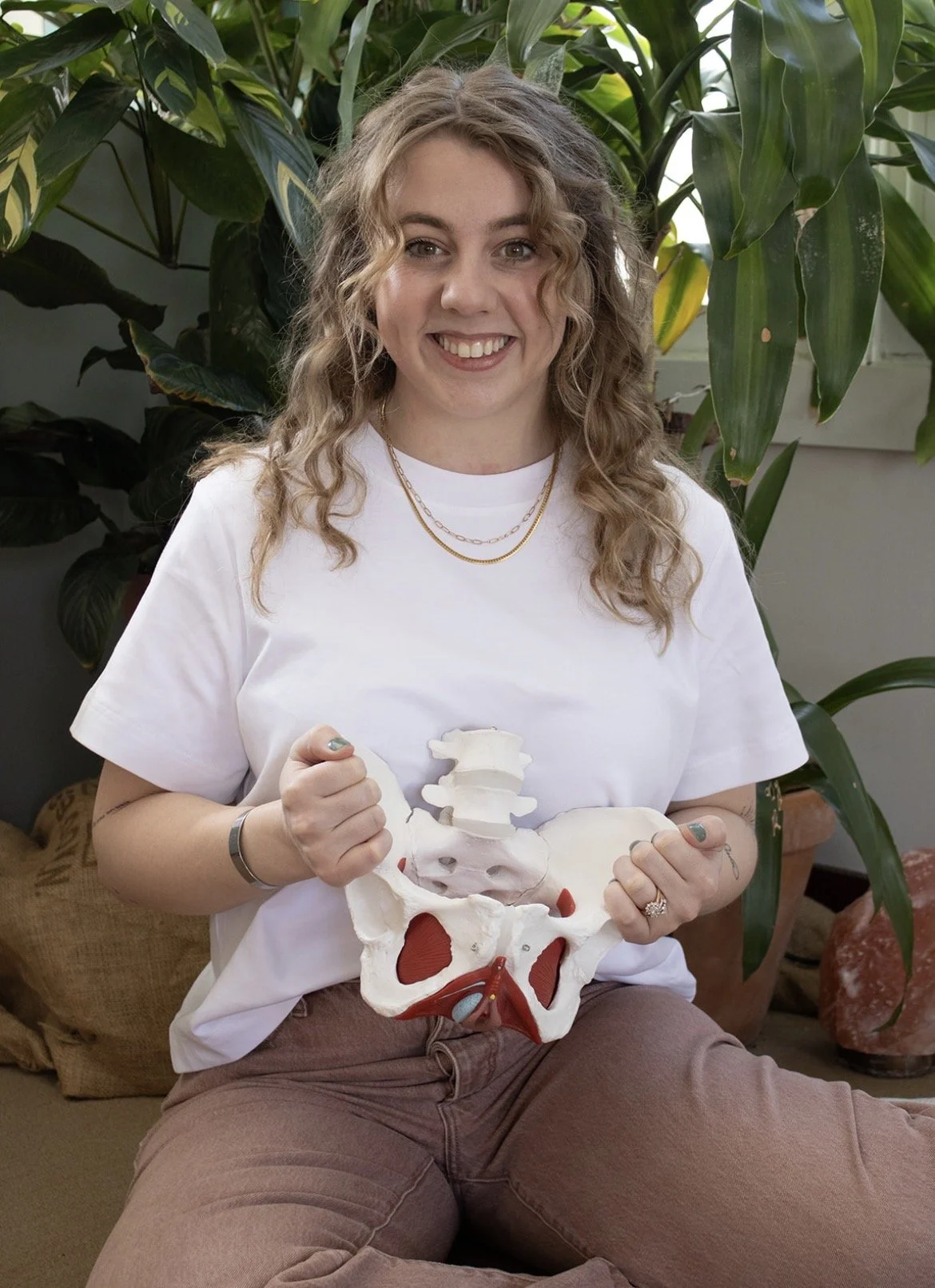
Dr. Kellyn Snow
Owner, Doctor of Physical Therapy, CPPS, Pelvic Health Specialist