Pelvic Floor PT Is Not Just for When You Have a Problem!
When most women hear about pelvic floor physical therapy, they assume it’s something they only need after a major issue appears but let’s talk about why that’s false!
First, let’s start by talking about what pelvic floor physical therapy actually is. Think traditional physical therapy… but way more fun (I might be biased, but I think so!).
Physical therapy is all about improving how your body moves and how you feel in your body. The pelvic floor aspect adds another layer by addressing bladder, bowel, and/or sexual function. In my opinion, these are basic human functions that every woman deserves to feel comfortable and in control of, and what you are asking for is not “too much.” We still use traditional exercises, manual therapy techniques, postural strengthening, nervous system regulation, and muscle coordination training, but we make sure to include the pelvic floor muscles as part of the picture.
That might include:
Internal or external vaginal/rectal muscle treatment
Pelvic floor muscle coordination exercises
Breathing mechanics
Bowel and bladder habit education
Sexual health support
Movement and lifestyle modifications
Pelvic floor PT is not just a reactive tool in your toolbox…it’s a proactive one too!
It allows you to learn more about how your body is functioning and what you can do to help prevent symptoms from showing up in the future. I say all the time: “You can drive a long time with a squeaky wheel before it falls off.” Your body is very good at compensating…until it isn’t.
This proactive approach can be valuable during every stage of life.
Adolescence & Young Adulthood
Pelvic floor PT can help establish healthy breathing, bowel, and bladder habits early on before dysfunction develops later in life. It can also help young women better understand their bodies while proactively addressing painful periods, constipation, posture issues, sports-related strain, and tension patterns before they become chronic concerns.
Pregnancy
Pregnancy places significant physical demands on the body, and pelvic floor PT can help proactively prepare the body for labor and delivery while minimizing discomfort throughout pregnancy. Treatment can focus on mobility, core and pelvic floor coordination, breathing strategies, birth preparation, and reducing excessive tension or pressure that may contribute to symptoms later postpartum.
Postpartum
Postpartum pelvic floor PT is not just for healing symptoms after birth. It can also help women safely reconnect with their bodies, rebuild strength and reduce the risk of longer-term issues such as leakage, prolapse symptoms, painful intercourse, or persistent core dysfunction as activity levels increase again.
Perimenopause & Menopause
Hormonal and tissue changes during this phase of life can gradually impact bladder control, pelvic support, tissue mobility, strength, and sexual function. Pelvic floor PT can proactively help women maintain strength, mobility, balance, and pelvic health so they can continue exercising, lifting, running, traveling, and staying active confidently as their bodies change.
Postsurgical Recovery
After surgeries such as hysterectomy, endometriosis excision surgery, C-sections, or sling placement, pelvic floor PT can proactively support healing by improving scar mobility, restoring movement patterns, reducing tension, minimize compensation strategies, and helping prevent future limitations before they become long-term issues.
Pelvic floor PT is not just about treating dysfunction, it’s about helping women feel empowered, educated, and supported in their bodies. One of the most common things I hear from patients is: “I wish I had done this sooner.”
Chronic pain is not normal.
Leaking urine during exercise is not normal.
Avoiding intimacy because of pain is not normal.
Not being able to tolerate a PAP smear is not normal.
Peeing every 20 minutes is not normal.
Constipation or fecal urgency is not normal.
Period pain that keeps you out of work is not normal.
These things may be common, but they should not be ignored.
One of my favorite ways to use pelvic floor PT proactively is for labor prep! Did you know pelvic floor physical therapists can teach:
Labor positioning
Breathing strategies
Pushing mechanics
Pain management techniques
Partner support strategies
Early postpartum recovery planning
I truly love teaching women about labor because so many women walk into one of the biggest physical events of their lives without preparation. It’s like being expected to run a marathon without training for it first. You would never do that for a marathon (or at least I hope not!), so why do we expect women to do that for labor? Women leave labor prep sessions shocked by how much no one ever taught them before. I always tell patients: “I’m preparing you as if no one in that room is going to help you…and then we hope you have an amazing support team.” You deserve to feel informed and prepared going into labor and postpartum recovery.
Another great example of proactive care is around surgeries such as hysterectomy for prolapse or sling procedures for leakage.
I often explain to patients that these surgeries can provide significant symptom relief (which is amazing!), but they do not necessarily prevent another organ from prolapsing in the future or guarantee that a sling will not fail. If the underlying contributors are not addressed, the body may continue to compensate in the same ways that led to symptoms in the first place.
Some of those contributing factors can include:
Core weakness
Improper pressure management
Chronic straining or constipation
Breathing dysfunction
Soft tissue tightness and mobility restrictions
Hormonal changes
Movement compensations and lifting mechanics
Pelvic floor PT can be incredibly valuable both before and after surgery because it helps address these dysfunctions and better prepare the body for long-term success.
Because SóL Pelvic Wellness Studio is an out-of-network practice, women are able to use our services more proactively, popping in and out as needed throughout different phases of life. That is one of the benefits of a wellness-based, cash practice model: we are not just here for injury repair. We are here for prevention, education, support, and helping women feel their best long before symptoms become overwhelming. We become a tool in your toolbox for managing your health.
All this to say that your body deserves support before things become overwhelming 🧡
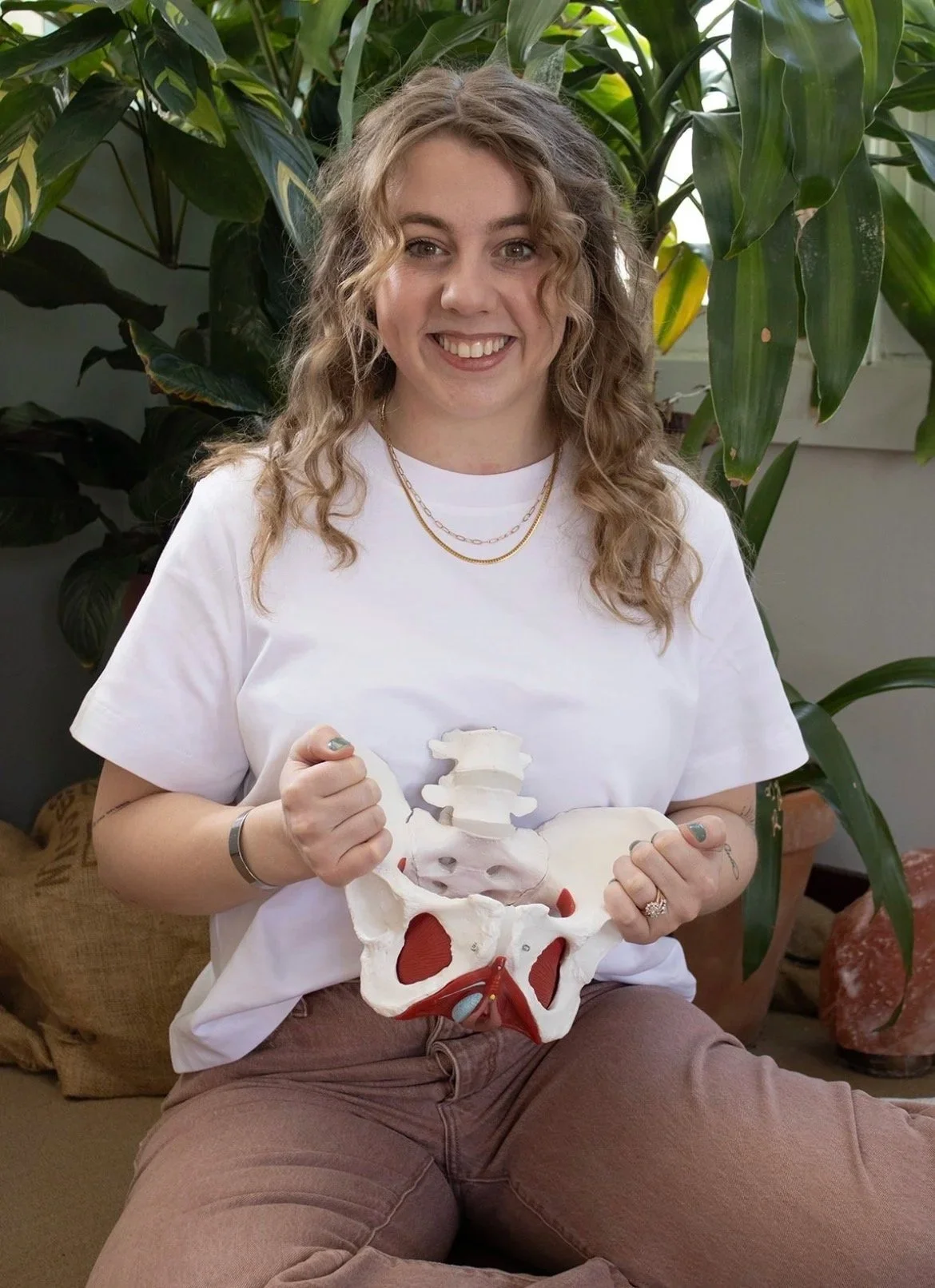
Dr. Kellyn Snow
Owner, Doctor of Physical Therapy, CPPS, Pelvic Health Specialist